
Deepen Your March Madness Experience with Sound Meditation Techniques
- Mar 23
- 3 min read
March Madness brings excitement, energy, and a whirlwind of emotions. While the thrill of the games keeps you on the edge of your seat, it can also lead to mental fatigue and stress. Sound meditation offers a simple yet powerful way to balance this intensity by calming your mind and sharpening your senses. This practice uses ambient sounds or specific tones to anchor your awareness, helping you stay present and relaxed during the madness.
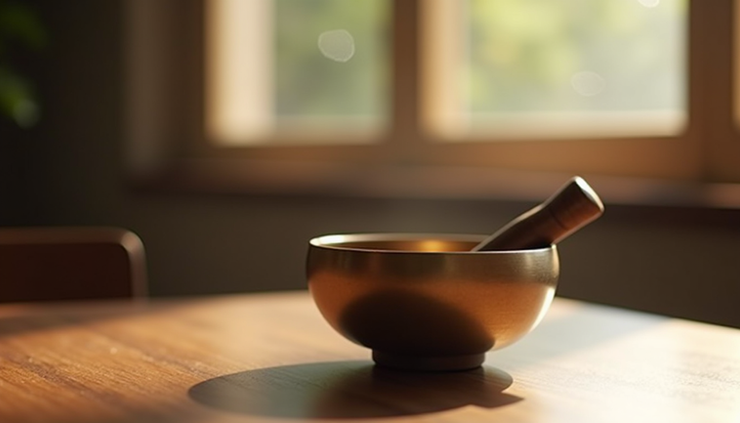
What Is Sound Meditation?
Sound meditation focuses your attention on sounds around you, whether natural or created by instruments like singing bowls or chanting voices. Instead of trying to clear your mind completely, you let the sounds guide your focus. This approach helps you notice subtle layers, rhythms, and vibrations without judging or labeling them. The result is a deep state of relaxation and heightened sensory awareness.
This technique differs from silent meditation by using sound as an anchor. It can be especially helpful if you find it difficult to sit quietly or if your mind tends to wander during traditional meditation.
How to Practice Sound Meditation
You don’t need special skills or equipment to start sound meditation. Here’s a straightforward method to try:
Find a quiet space where you won’t be disturbed. This could be a cozy corner at home or a peaceful outdoor spot.
Choose your sound source. You can use recordings of nature sounds like rain, ocean waves, or birdsong. Alternatively, try instruments such as singing bowls, chimes, or gentle chanting.
Sit comfortably and close your eyes. Allow your body to relax and your breathing to slow naturally.
Listen deeply to the sounds. Focus on the layers and rhythms. Notice how the sounds rise and fall, their vibrations, and any changes in tone.
Avoid labeling or judging the sounds. Instead, let them carry your attention gently.
If your mind wanders, gently bring your focus back to the sounds without frustration.
Practice for 10 to 20 minutes. You can gradually increase the time as you become more comfortable.
This simple routine can fit easily into your day, especially during March Madness breaks or before games to center your mind.
Benefits of Sound Meditation During March Madness
The fast pace and emotional highs of March Madness can leave you feeling drained. Sound meditation offers several benefits that enhance your experience:
Reduces stress and anxiety. The calming effect of focused listening lowers cortisol levels, helping you feel more relaxed.
Improves concentration. By training your mind to focus on sounds, you build mental clarity that carries over to watching games or making decisions.
Enhances sensory awareness. You become more attuned to subtle details, whether in the sounds around you or the nuances of the game.
Supports emotional balance. Sound meditation helps regulate emotions, making it easier to enjoy wins and losses without overwhelm.
Promotes restful sleep. Practicing before bedtime can improve sleep quality, which is essential during busy tournament days.
These benefits combine to make your March Madness experience more enjoyable and less stressful.
Tips for Enhancing Your Sound Meditation Practice
To get the most from sound meditation, consider these practical tips:
Experiment with different sounds. Some people find singing bowls deeply relaxing, while others prefer natural sounds like rain or wind. Try various options to see what resonates.
Use headphones for clarity. Especially with recordings, headphones help isolate sounds and reduce distractions.
Create a regular schedule. Consistency builds the habit and deepens the benefits. Even five minutes daily can make a difference.
Combine with gentle breathing. Sync your breath with the rhythm of the sounds to deepen relaxation.
Avoid multitasking. Give your full attention to the meditation to experience its full effect.
Keep a journal. Note how you feel before and after sessions to track progress and stay motivated.
These small adjustments can transform sound meditation from a simple practice into a powerful tool for mental wellness.
Using Sound Meditation to Stay Grounded During the Tournament
March Madness can be unpredictable, with sudden wins, losses, and surprises. Sound meditation helps you stay grounded amid this emotional rollercoaster. For example, if a game’s outcome leaves you anxious or frustrated, a brief sound meditation session can calm your mind and restore balance.
Try this quick routine during halftime or commercial breaks:
Sit comfortably and close your eyes.
Focus on a calming sound, such as a recording of ocean waves.
Breathe slowly and deeply, matching your breath to the ebb and flow of the waves.
Let your thoughts drift away as you immerse yourself in the sound.
This practice can refresh your focus and help you enjoy the rest of the tournament with a clear mind.


